
 The number of cases of skin cancer has quadrupled over the last 30 years, even though skin cancer is preventable in many cases. Thankfully, if it is recognised and detected early, the outcome for patients is good. However, as the saying goes, ‘prevention is better than cure’.
Sun Awareness Week is part of the British Association of Dermatologists’ (BAD) annual campaign to raise awareness of skin cancer. The campaign has two aims:
- To encourage people to regularly self-examine for skin cancer.
- To teach people about the dangers of sunburn and excessive tanning, and to discourage people from using sunbeds, in light of the associated risks of skin cancer.
BAD has also been involved in campaigning for legislation to regulate the sunbed industry and is continuing to push towards further and improved regulation.
Top sun safety tips
There is no such thing as a safe tan as a tan is a sign of sun damage. It is important to take a few steps when out in the sun that will help to protect you from sunburn and the risk of skin cancer. BAD makes the following recommendations:
 Wear clothing for protection, including a hat, t-shirt and UV protective sunglasses
- Spend time in the shade between 11am and 3pm when the sun is at its hottest
- Use a sunscreen of at least SPF 30 (SPF 50 for children or people with pale skin) which also has high UVA protection
- Keep babies and young children out of direct sunlight
- Tell your doctor about any changes to a mole – ask your GP to refer you to see a consultant dermatologist (the most expert person to diagnose a skin cancer) via the NHS if there are concerns.

No sunscreen will provide 100% protection. Use sunscreen as added protection rather than as an alternative to clothing and shade.
Vitamin D
For light skinned people, who are at the highest risk of sunburn and skin cancer, the evidence of risks of sun exposure outweigh the evidence of benefits of acquiring vitamin D from the sun. BAD explains that you can get vitamin D through diet and the use of supplements – you do not have to expose yourself to the sun.
BAD is certainly not telling people to stay out of the sun, but be sensible: know your skin type, take precautions to protect your skin when it’s sunny, and don’t let your skin burn.
Moles & melanomas
It is important to regularly self-examine yourself to check for skin cancer and check for new moles and melanomas. You can find some helpful fact sheets and information on BAD’s website.
How can we help
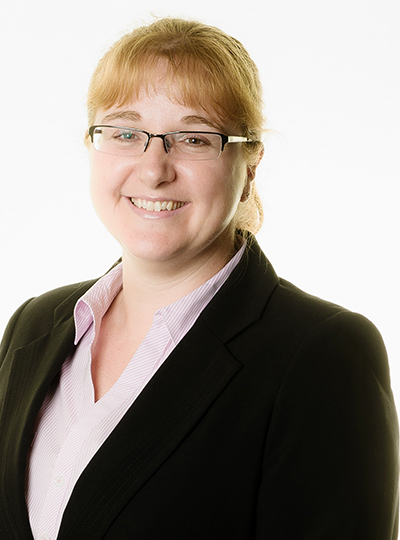
Petra Heath, medical negligence solicitor
Unfortunately medical mistakes can result in the spreading of the skin cancer. For example a healthcare professional may fail to recognise the history given to them, or the importance of symptoms. This could result in the failure to investigate the condition or to consider and follow the NICE guidelines 7-point checklist appropriately for urgent referral, which could result in the need for more extensive and invasive treatment. Or it could be that effective treatment or even palliative care can’t be administered because the disease wasn’t diagnosed promptly.
Here at Graysons we recognise the devastating, and in some cases fatal, effect that a delayed diagnosis of cancer can have. We understand the importance of compensation to you as it can greatly improve quality of life for you and your family and provide the care and security that is needed.
If you would like to talk to a member of our specialist team then please contact us for a confidential and free discussion today.

